Alphabet Dot-to-Dot Coloring Pages Pre-K: Learning Through Play
When you're designing for the youngest learners, the line between education and entertainment isn't just thin—it doesn't exist at all. Alphabet Dot-to-Dot Coloring Pages Pre-K understands this fundamental truth. These aren't your grandmother's worksheet pages with sterile, disconnected letter drills. Instead, they're carefully crafted printable activities where connecting A through Z actually builds something—a picture worth coloring, a sense of accomplishment, and genuine alphabet familiarity along the way.
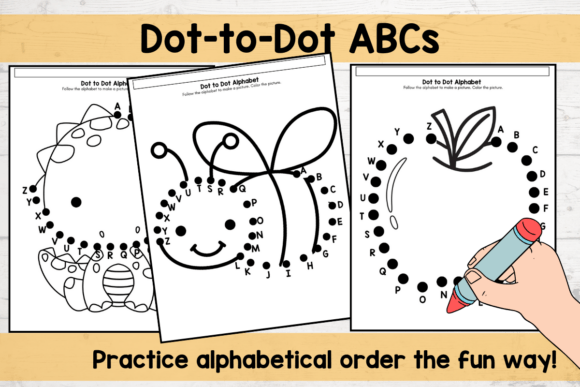
Each of the five pages in this collection features a simple, recognizable image that emerges as children trace dots in alphabetical order. The visual style leans into what works for toddlers and preschoolers: bold, friendly outlines with generous spacing that forgives wobbly pencil lines. There's an inherent warmth to the designs—they feel approachable rather than intimidating, which matters enormously when you're working with kids who might be holding a crayon for the first time with any real intention.
Why These Pages Work in Real Educational Settings
As someone who's watched countless preschool curricula come and go, the ones that stick share a common trait: they respect how young children actually develop skills. Alphabet Dot-to-Dot Coloring Pages Pre-K nails this by combining multiple developmental objectives into a single, cohesive activity. Pencil grip practice happens naturally. Alphabetical order reinforcement happens without flashcards. Fine motor control develops through the act of connecting dots rather than through isolated tracing exercises that feel disconnected from any meaningful outcome.
The five-page PDF format is practical for anyone managing a classroom, running a homeschool schedule, or assembling printable workbooks. You get five PNGs alongside the PDF, which opens up flexibility for digital customization—resizing for different paper formats, adjusting for specific curriculum needs, or incorporating into larger branded educational materials. For KDP publishers working on activity book interiors, this kind of ready-to-use, commercially viable content saves hours of illustration development time.
Design Considerations for Educators and Content Creators
What makes these pages particularly useful from a design perspective is their visual consistency. Each page follows the same structural logic—dots numbered or lettered in sequence, clean line work, generous negative space—so children develop predictable expectations about how the activity works. This consistency reduces cognitive load, letting kids focus on the actual skill-building rather than figuring out new instructions every time they turn a page.
For graphic designers and content creators building educational brands, the aesthetic here is worth studying. The illustrations avoid over-complication without becoming boring. There's enough detail to make the finished colored picture satisfying, but not so much that a three-year-old feels overwhelmed before they've connected their fifth dot. This balance between simplicity and engagement is something many educational product designers struggle to achieve.
Practical Applications Beyond the Classroom
The versatility of Alphabet Dot-to-Dot Coloring Pages Pre-K extends well beyond traditional preschool settings. Small business owners running children's activity subscription boxes can incorporate these as bonus inserts. Bloggers in the parenting and education niches can offer them as free downloads to build email lists—the universal appeal of free printable activities for kids makes them excellent lead magnets. Publishers assembling themed activity bundles will find the dot-to-dot format complements coloring pages, mazes, and matching games without overlapping functionally.
For those creating printable workbooks, the five-page count works well as a standalone mini-section or as a component within a larger alphabet-focused unit. The PNG files give you room to adapt—maybe you want to add a branded header, adjust the page dimensions for a specific trim size, or combine elements from different pages into custom arrangements. That file format flexibility matters when you're working across different publishing platforms and print specifications.
Evaluating Fit for Your Project
Before incorporating any educational resource into your offerings, consider your audience's specific developmental stage. These pages target the Pre-K demographic—roughly ages three to five—where the primary goals involve letter recognition, sequential thinking, and emerging pencil control. If your audience skews older or you're working with children who've already mastered alphabetical order, you might pair these with more advanced activities rather than using them in isolation.
Think about your production context too. A homeschool parent printing individual pages on standard letter-size paper has different needs than a KDP publisher formatting for a 8.5 x 11-inch interior with specific bleed requirements. The included file formats accommodate both scenarios, but planning your layout approach before diving in saves revision time later.
Building Engaging Educational Content
The real value of resources like Alphabet Dot-to-Dot Coloring Pages Pre-K lies in how they fit into a broader learning ecosystem. No single activity teaches the entire alphabet in isolation—but a well-designed dot-to-dot page, paired with letter-sound games, storytime reading, and hands-on sensory activities, creates a multi-sensory learning experience that research consistently supports. These pages earn their place in that ecosystem by doing one thing exceptionally well: making alphabetical practice feel like play rather than work.
For anyone building educational content libraries, developing classroom resources, or creating printable products for the children's market, having reliable, well-executed activity pages in your toolkit isn't optional—it's foundational. The five-page PDF and PNG set gives you a ready-made starting point that respects both the children who'll use it and the professional standards you're working to maintain.