Unlocking the Vintage Dragon Dark Fantasy Creature Aesthetic
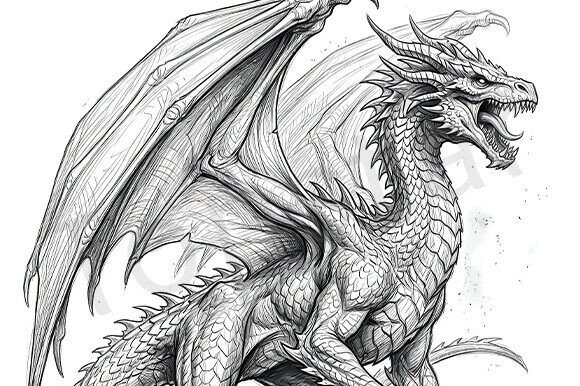
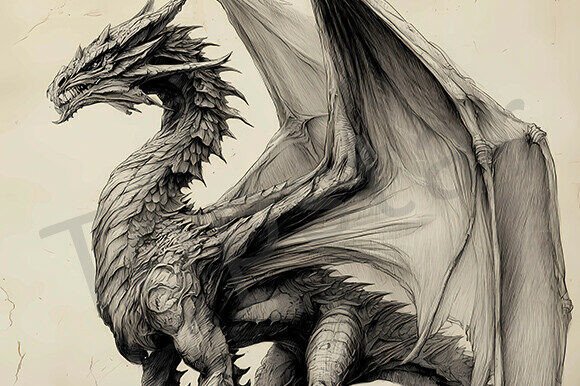
There is a specific kind of visual weight that only a Vintage Dragon Dark Fantasy Creature illustration can carry. It is not just about the scales or the fire; it is about the atmosphere of a bygone era mixed with supernatural dread. As a creative professional, when you open that zip file containing the high-resolution JPG, you aren’t just getting a picture. You are acquiring a piece of digital art that bridges the gap between classic storybook illustration and modern gothic horror. The 300 dpi quality ensures that every intricate line work, cross-hatching, and ink bleed is preserved, giving you a raw, tactile feel that digital vectors often struggle to replicate. This isn't sterile clipart; it is a textured, moody piece of artwork designed to evoke a reaction.
The Visual Language of Gothic Illustration
Understanding the design principles behind this Vintage Dragon Dark Fantasy Creature asset is crucial for using it effectively. The style leans heavily into the "antique print" aesthetic. You will notice the reliance on high-contrast black and white, mimicking woodcut or etching techniques. The creature itself likely possesses a serpentine, menacing elegance rather than the cartoonish look of modern animation. This visual language speaks of age, mystery, and danger. For designers, this creates an immediate sense of authority. When you incorporate this kind of premium font imagery or graphic asset into a layout, it grounds the design in a reality that feels established and gritty.
The personality of this piece is unapologetically dark. It works best when it is allowed to breathe. Crowding this creature with bright, neon colors or overly geometric sans serif font choices can dilute its impact. Instead, think of it as a focal point. The "vintage" aspect suggests that this image has a history. It feels like it was pulled from an old alchemist’s journal or a forbidden children's book art collection from the Victorian era. This makes it a powerful tool for storytelling. Whether you are working on a poster graphic for a metal band, a book cover for a fantasy novel, or a unique brand identity for a tattoo parlor, the texture of the image tells a story before the viewer even reads a single word.
Strategic Applications for Modern Creators
While the image is rooted in the past, its application is entirely modern. For entrepreneurs and marketers, the challenge is often differentiation. Stock photography is ubiquitous, but a dark fantasy creature illustration offers a distinct voice. Consider using this artwork in packaging design for craft beverages or artisanal goods. A whiskey label featuring a gothic monster instantly communicates a bold, complex flavor profile. It suggests that the product inside is not for the faint of heart. This is where visual hierarchy comes into play. The dragon serves as the dominant visual element, anchoring the viewer's gaze, while your typography—perhaps a rugged serif font or a sharp script font—can provide the necessary information without competing for attention.
For content creators and bloggers, specifically those in the gaming, literature, or alternative fashion niches, this asset is a goldmine for social media graphics. A single, striking image can be repurposed across Instagram, Pinterest, and Twitter to create a cohesive feed. Because the file is high quality, you can zoom in on specific details—the dragon’s eye or the texture of its wing—to create profile pictures or background textures. This maintains brand consistency while offering variety. Furthermore, crafters and hobbyists can utilize the image for physical goods. The "coloring pages sheet" potential is real; print it out for adult coloring books, or use it as a base for hand-drawn modifications. The lack of watermarks in the provided file means you can manipulate the image freely for personal or commercial projects, provided the licensing allows, creating a seamless workflow from digital download to physical product.
Integrating Dark Fantasy into Brand Identity
Building a brand identity requires consistency and emotional resonance. If your brand voice is edgy, rebellious, or steeped in lore, the Vintage Dragon Dark Fantasy Creature is a natural fit. However, integration must be thoughtful. You cannot simply slap a dragon on a business card and call it a day. You need to evaluate how this heavy, detailed graphic interacts with your typography. A common mistake is pairing a complex illustration with an equally complex display font. This creates visual noise. Instead, let the art do the heavy lifting and opt for a clean, legible typeface for your copy.
Think about the visual hierarchy of your layout. The dragon establishes the mood; the font delivers the message. If you are designing a flyer or a web design banner, the creature might occupy the background, slightly desaturated or overlaid with a texture, allowing white text to pop against it. This technique adds depth to your design without sacrificing readability. For printables and wall art, the image stands alone as a piece of decor. The "vintage" style ensures it looks like a timeless piece of art rather than a trendy digital artifact, giving it longevity in a fast-paced market.
Practical Evaluation and Asset Management
Before finalizing your design, it is essential to evaluate the fit of the Vintage Dragon Dark Fantasy Creature within your specific context. Just as you would test font pairings, you should test image pairings. Does the aggression of the dragon match the tone of your product? If you are selling calming meditation candles, a gothic monster might send mixed signals. However, if you are launching a spicy hot sauce or a high-intensity energy drink, the "fire and fury" aesthetic is a perfect match.
Consider the technical aspects of your design assets. Since you are working with a 300 dpi JPG, the file is optimized for high-quality printing. This makes it ideal for editorial design in magazines or zines where image clarity is paramount. When using it for web design, remember to optimize the file size to ensure fast load times without losing the crispness of those vintage lines. By treating this illustration not just as a picture but as a strategic component of your visual system, you leverage its full potential. It becomes more than art; it becomes a tool for engagement, recognition, and professional polish.